1. Introduction to green foods
Green foods have gained significant popularity in recent years due to their numerous health benefits and positive impact on the environment. These vibrant and nutrient-dense foods, ranging from leafy greens to green fruits and vegetables, offer a wealth of essential vitamins, minerals, antioxidants, and dietary fiber. Incorporating green foods into your diet not only supports overall well-being but also contributes to sustainable farming practices and reduces your carbon footprint. In this article, we will explore the various benefits of consuming green foods, delve into their nutritional value, discuss their positive impact on health, and provide tips on how to include them in your daily meals. Discover the power of green foods and embrace a healthier and more sustainable lifestyle.
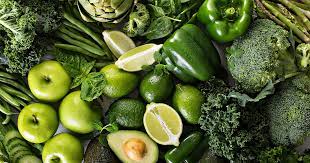
Benefits of Green Foods
1. Introduction to Green Foods
Defining Green Foods
Green foods, as the name suggests, are foods that are predominantly green in color and are packed with essential nutrients. These include leafy greens like spinach, kale, and broccoli, as well as green vegetables like peas, edamame, and Brussels sprouts.
The Popularity of Green Foods
In recent years, green foods have gained immense popularity, thanks to their numerous health benefits and their association with a healthy lifestyle. From trendy green smoothies to vibrant salads, green foods have become a staple in the diets of health-conscious individuals.
2. Nutritional Benefits of Green Foods
Vitamins and Minerals in Green Foods
Green foods are a powerhouse of vitamins and minerals that are essential for maintaining good health. They are rich in vitamins A, C, and K, as well as minerals like iron, calcium, and potassium. These nutrients play a crucial role in supporting various bodily functions.
Antioxidant Properties of Green Foods
One of the standout features of green foods is their high antioxidant content. Antioxidants help protect the body from harmful free radicals, which can cause damage to cells and contribute to chronic diseases. By consuming green foods, you can boost your antioxidant intake and support overall well-being.
Dietary Fiber in Green Foods
Green foods are an excellent source of dietary fiber, which is essential for a healthy digestive system. Fiber aids in maintaining regular bowel movements, preventing constipation, and promoting a feeling of fullness. Including green foods in your diet can improve digestion and support weight management.
3. Health Benefits of Consuming Green Foods
Boosting Immune System
Green foods are packed with immune-boosting nutrients that help strengthen your body’s defense mechanisms. The vitamins, minerals, and antioxidants found in green foods can enhance immune function and protect against common illnesses.
Reducing the Risk of Chronic Diseases
Regular consumption of green foods has been associated with a reduced risk of chronic diseases, including heart disease, certain cancers, and diabetes. The abundance of nutrients and antioxidants in green foods supports overall health and may help prevent the onset of these conditions.
Promoting Healthy Digestion
Thanks to their high fiber content, green foods promote healthy digestion by supporting regular bowel movements and preventing digestive issues. Incorporating green foods into your diet can help maintain a healthy gut and improve nutrient absorption.
4. Environmental Benefits of Green Foods
Sustainable Farming Practices
Choosing green foods means supporting sustainable farming practices. Many green foods are grown using organic farming methods, which prioritize soil health, water conservation, and the reduction of chemical pesticides. By opting for green foods, you contribute to a more sustainable food system.
Reduced Carbon Footprint
Green foods often have a lower carbon footprint compared to animal-based foods. The production of meat and dairy products requires more resources and contributes to greenhouse gas emissions. By incorporating more green foods into your diet, you can help reduce your environmental impact.
Preserving Biodiversity
Green foods come in a wide variety, showcasing the diversity of plant species. By consuming a variety of green foods, you contribute to the preservation of biodiversity. This helps protect ecosystems and ensures the continued existence of plant species for future generations.
So, whether you’re looking to improve your health, support sustainable practices, or simply add more vibrant colors to your plate, incorporating green foods into your diet is a delicious and beneficial choice. Embrace the power of green and reap the rewards for your well-being and the planet!
5. Different types of green foods and their benefits
Leafy greens: Spinach, kale, and Swiss chard
Leafy greens like spinach, kale, and Swiss chard are not just vibrant and delicious, they also pack a powerful nutritional punch. These greens are rich in vitamins A, C, and K, as well as folate and iron. They are also a great source of fiber, which helps with digestion and keeps you feeling full and satisfied.
Cruciferous vegetables: Broccoli, cauliflower, and Brussels sprouts
Cruciferous vegetables like broccoli, cauliflower, and Brussels sprouts may not win any popularity contests, but their health benefits are hard to ignore. These veggies are loaded with vitamins C and K, as well as fiber and antioxidants. They also contain compounds that have been shown to have anti-cancer properties, making them a wise choice for your plate.
Green fruits: Avocado, kiwi, and green apples
Green fruits like avocado, kiwi, and green apples may not be as sweet as their colorful counterparts, but they make up for it in nutritional value. Avocados are full of heart-healthy monounsaturated fats, while kiwis are packed with vitamin C and fiber. Green apples are also rich in fiber and contain a compound called pectin, which has been shown to support digestive health.
6. Incorporating green foods into your diet
Smoothies and juices
Smoothies and juices are a fantastic way to sneak some green goodness into your diet. Throw some spinach or kale into your blender with your favorite fruits and a splash of almond milk, and voila! You’ve got a refreshing and nutritious drink that will give you energy and support your overall health.
Soups and salads
Adding green veggies to your soups and salads is an easy and delicious way to up your intake of nutrients. Toss some broccoli or Brussels sprouts into your soup, or add a handful of mixed greens to your salad. The possibilities are endless, and your taste buds and body will thank you.
Stir-fries and sautés
Stir-fries and sautés are a great way to cook up a quick and healthy meal while incorporating green foods. Throw some green beans or bok choy into your pan with your favorite protein and seasonings, and you’ll have a flavorful and nutritious dish in no time.
7. Tips for selecting and preparing green foods
Choosing fresh and organic options
When selecting green foods, opt for fresh and organic options whenever possible. This ensures that you’re getting the highest quality produce without the added chemicals and pesticides. Plus, fresh and organic greens often have a more vibrant taste and texture.
Proper washing and storage techniques
To keep your green foods fresh and tasty, it’s essential to wash and store them properly. Rinse your greens under cold water to remove any dirt or debris, and pat them dry before storing. Store leafy greens in a resealable bag or container with a paper towel to absorb excess moisture and maintain freshness.
Cooking methods to retain nutrients
To retain the maximum amount of nutrients in your green foods, opt for cooking methods like steaming or sautéing rather than boiling. Boiling can cause some vitamins and minerals to leach out into the cooking water, so it’s best to use cooking methods that preserve the nutritional content.
8. Conclusion: Embracing the benefits of green foods
Green foods may not always be the most exciting or indulgent choices, but their benefits for your health and well-being are undeniable. From leafy greens to cruciferous vegetables and green fruits, these vibrant foods are packed with vitamins, minerals, fiber, and antioxidants that support a healthy body and mind. By incorporating green foods into your diet and following these tips for selection and preparation, you’ll be well on your way to reaping the rewards of a greener lifestyle. So go ahead and embrace the green!
8. Conclusion: Embracing the benefits of green foods
Incorporating green foods into your diet can have a profound positive impact on your health and the environment. From the abundance of essential nutrients they provide to their potential in reducing the risk of chronic diseases, green foods offer a wide range of benefits. By opting for sustainable farming practices and choosing fresh, organic options, you can further contribute to a greener planet. So, why not start incorporating more leafy greens, cruciferous vegetables, and green fruits into your meals? Embrace the benefits of green foods and enjoy a healthier, more vibrant lifestyle while making a positive difference in the world.
FAQ
1. Are green foods only limited to leafy greens?
No, green foods encompass a wide variety of options beyond leafy greens. While leafy greens like spinach, kale, and Swiss chard are excellent choices, there are also other green fruits and vegetables such as avocados, kiwis, green apples, broccoli, cauliflower, and Brussels sprouts that offer significant health benefits.
2. Can I still get the nutritional benefits of green foods if I don’t like eating salads?
Absolutely! While salads are a popular way to consume green foods, they are not the only option. You can incorporate green foods into your diet through smoothies, soups, stir-fries, and sautés. By blending green fruits and leafy greens into smoothies or adding them to cooked dishes, you can still receive the nutritional benefits without having to eat traditional salads.
3. Are organic green foods necessary, or can I opt for conventionally grown ones?
While organic green foods are generally preferred due to lower pesticide exposure and environmental impact, conventionally grown green foods can still provide essential nutrients. If organic options are not readily available or within your budget, it is still beneficial to consume conventionally grown green foods rather than avoiding them altogether. Remember to wash them thoroughly to minimize pesticide residue.
